Embedded engineering

From concept to a product you can mass manufacture.

Mechanical design, electronics, and firmware, engineered as one system designed specifically to suit your product vision.

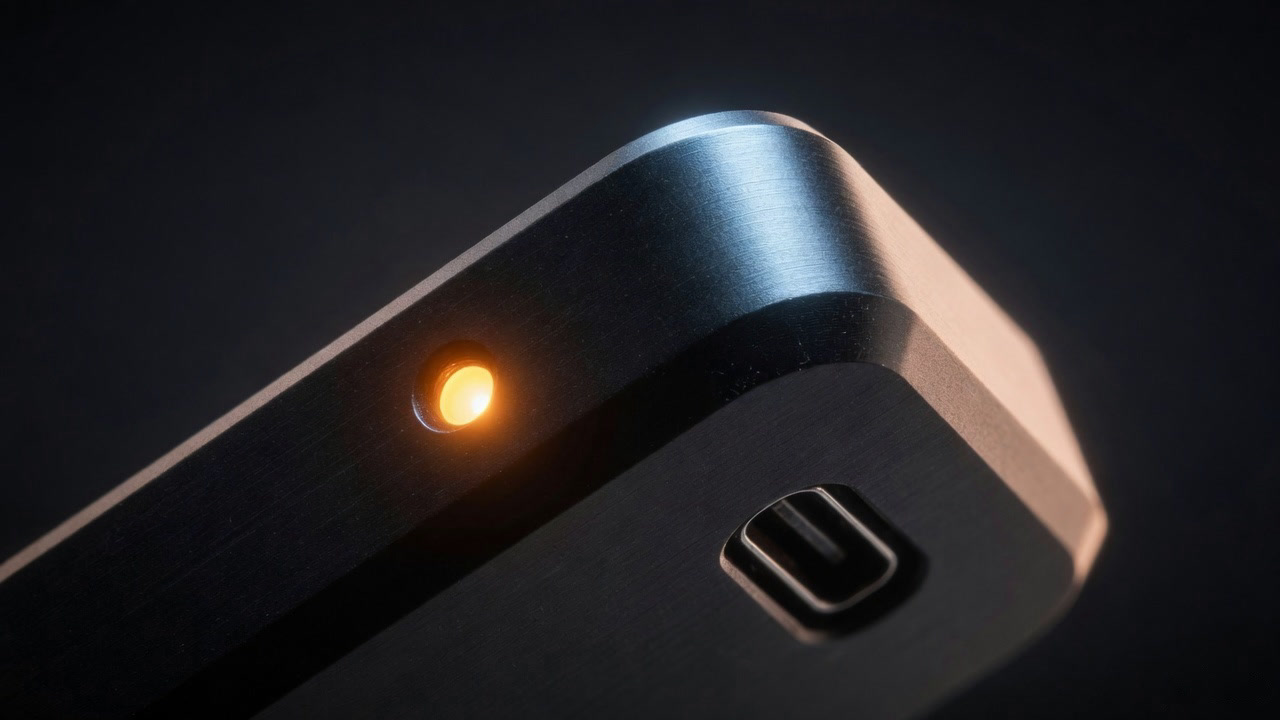
Close-up of a brushed black aluminum instrument, with a warm status lamp and a USB-C port.

Field instrument. Machined housing, a custom carrier, firmware written for that hardware.

Engineered as a system, from the architecture out.

Engineering starts with every subsystem in mind. Power, sensing, the enclosure, and the firmware are chosen together, because a decision in one of them changes the others.

The strength of that is a clear vision of the outcome. Each component is then designed to complement the rest. An integrated solution is stronger than designing one part at a time.

  1. 01

    Concept

    Requirements, interfaces, and the architecture of the product.

  2. 02

    Design

    Schematic, PCB, mechanical design, and firmware.

  3. 03

    Prototype

    A first-of-kind build: bring-up, measurement, and proof it can be made.

  4. 04

    Manufacture

    Design for volume: fabrication files, a test procedure, and a bill of materials.

Selected work

From an idea to hardware you can build again.

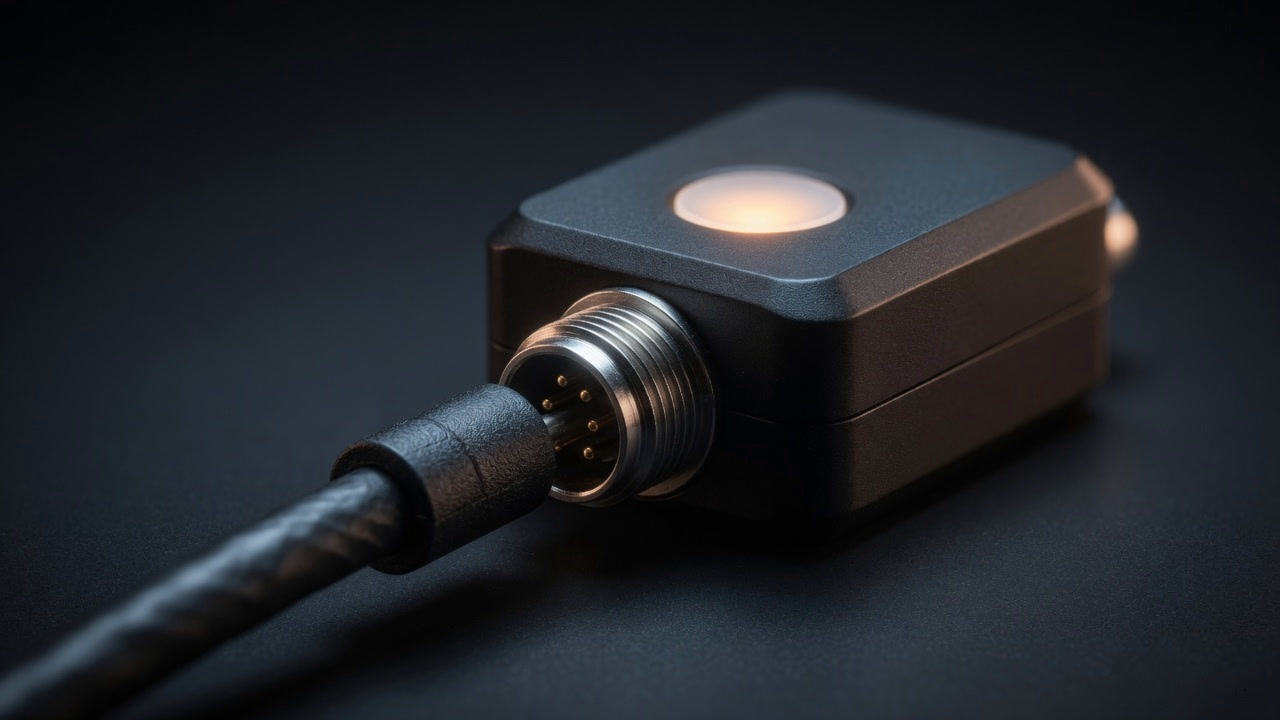
A compact black sensor with a metal circular connector and a short cable.

01 — Field Node

A sealed instrument, from a concept and a development board.

A sensing idea and a microcontroller module. The module stayed. Around it we engineered the carrier, the power path, the seal stack, and firmware that sleeps until the measurement matters. The enclosure is what a factory builds from that design.

Architecture
Interfaces, the power budget, and the environment it has to survive.
Electronics
Schematic and layout of the carrier around the module.
Mechanics
A gasketed aluminium housing and the connector that passes the seal.
Firmware
Scheduled sensing, bring-up, and an image production can flash.
Exploded view of a black instrument: a lid with a warm window, a gasket, a plain circuit board, and a housing with an empty female USB-C port.

Mechanical stack

The housing, the circuit, and the firmware are chosen together.
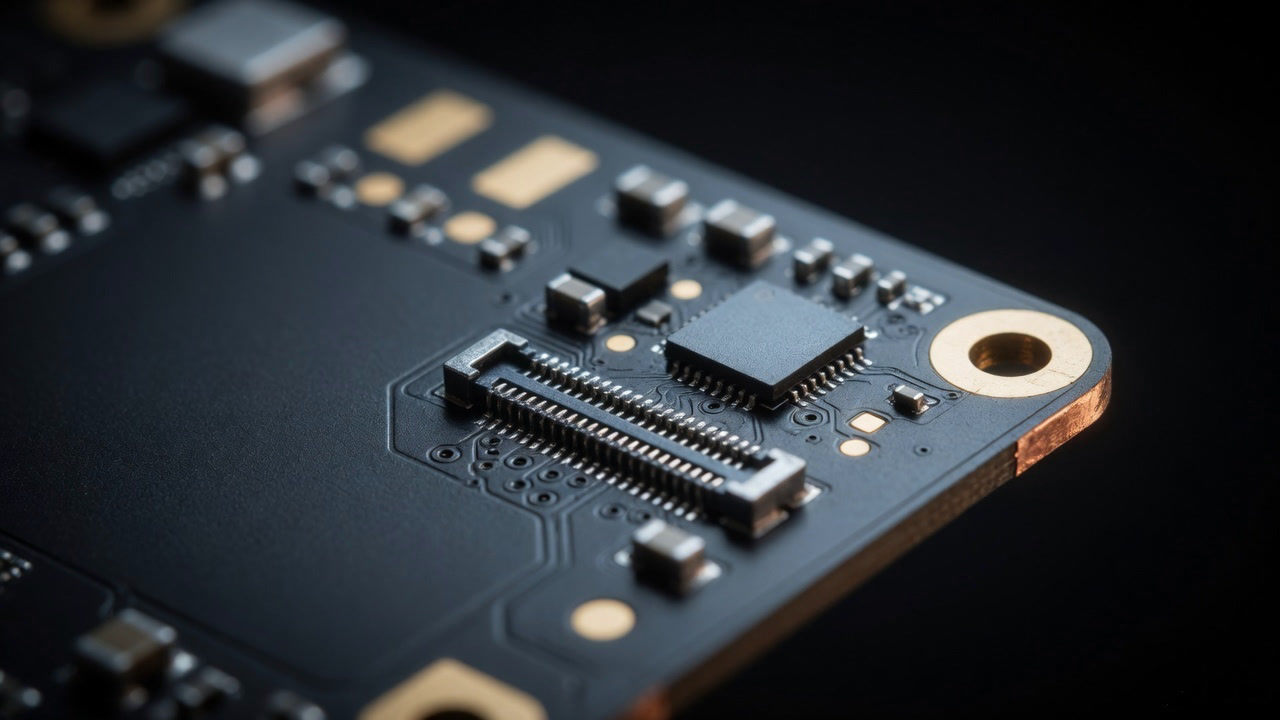
Macro of a dark embedded circuit board with a fine-pitch connector and integrated circuits.

The carrier

The board that replaces the development kit. Power, sensing, and the connector the enclosure allows.

Why design for mass manufacture.

The reliability and the cost are settled in the design. Deliver a professional product built with solid fundamentals.

  1. 01

    A compact form factor.

    The enclosure and the board are designed together, so the product stays compact.

  2. 02

    Fewer failures.

    A part made the same way every time fails less on the line, and less in the field.

  3. 03

    Less labour in each part.

    Assembly and the sequence of the build are designed, so the work in every unit comes down.

  4. 04

    Volume that gets cheaper.

    Fewer unique parts and a repeatable process are what make the cost fall as the quantity rises.

  5. 05

    A design framework to build on.

    The circuit, the enclosure, and the firmware are a framework the next products can share, so a single design can grow into a family.

Start a project

Bring an idea, or bring what is on the bench.

The hardest step is taking a product and designing it for mass manufacture. The cost comes down when every system is designed with the others in mind, so the mechanics, the circuit, and the assembly method complement one another.

Arrange a consultation. Tell us who you are, which services you need, and describe the task.

Services required